Historical introduction
Where light met weather and stone,
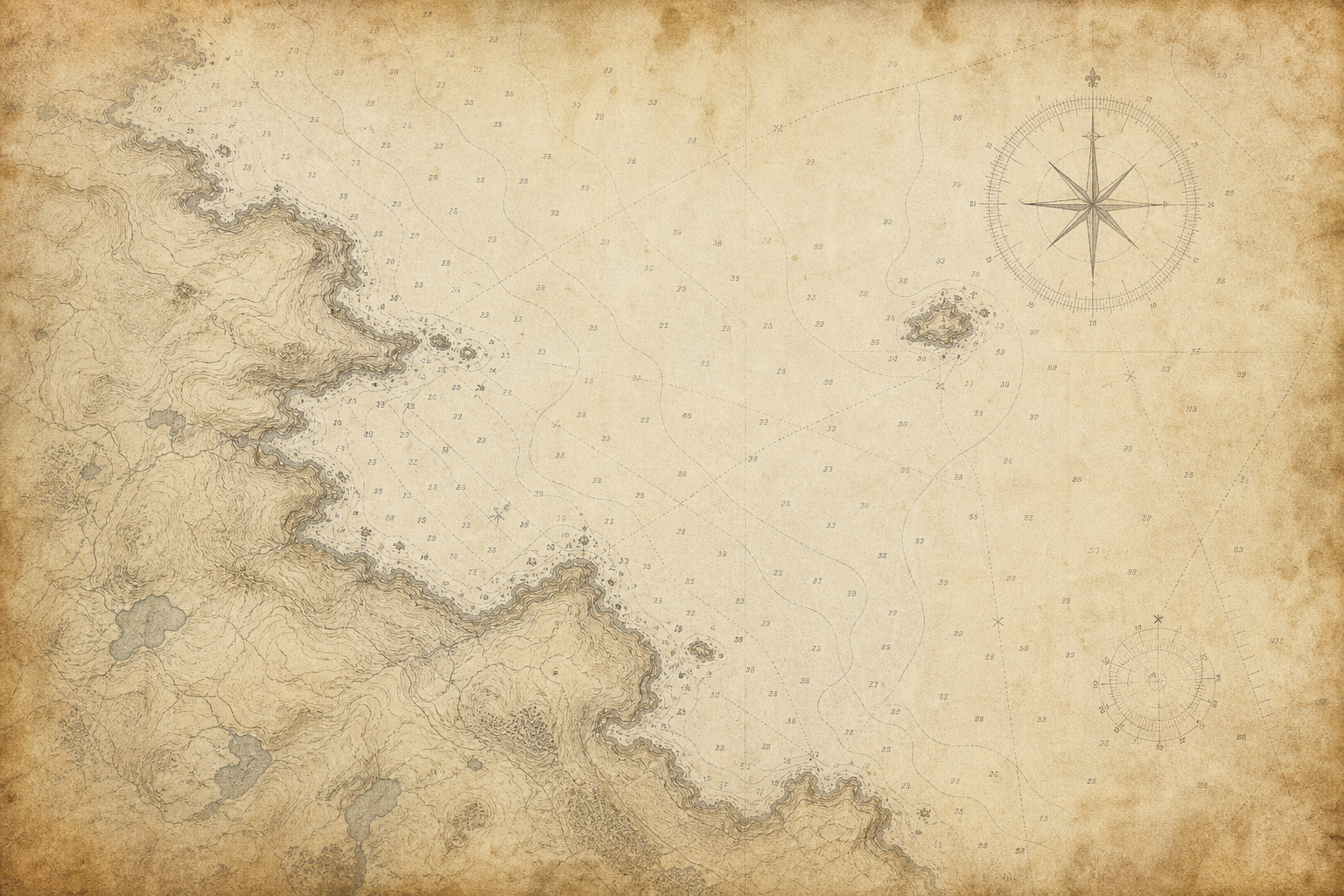
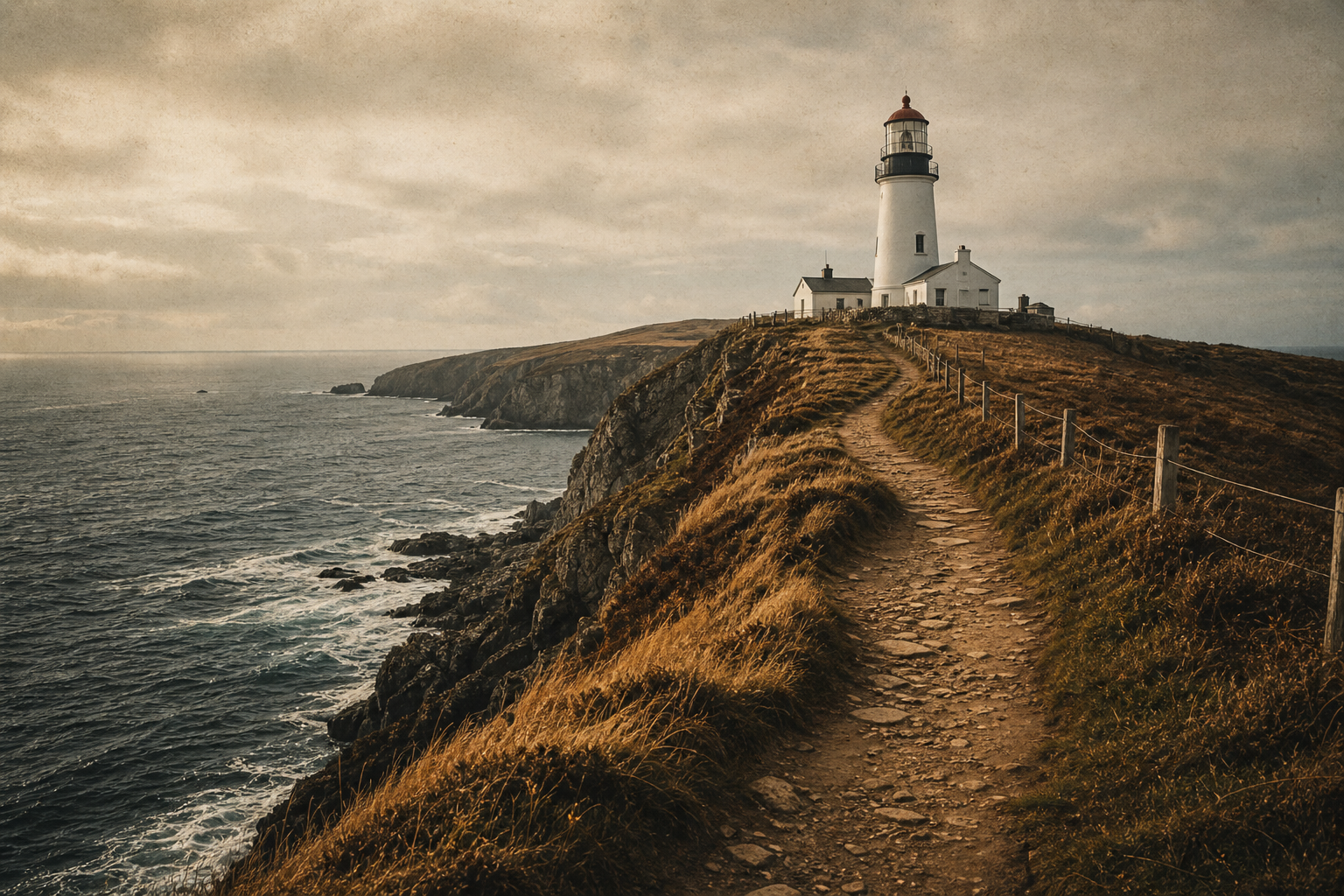
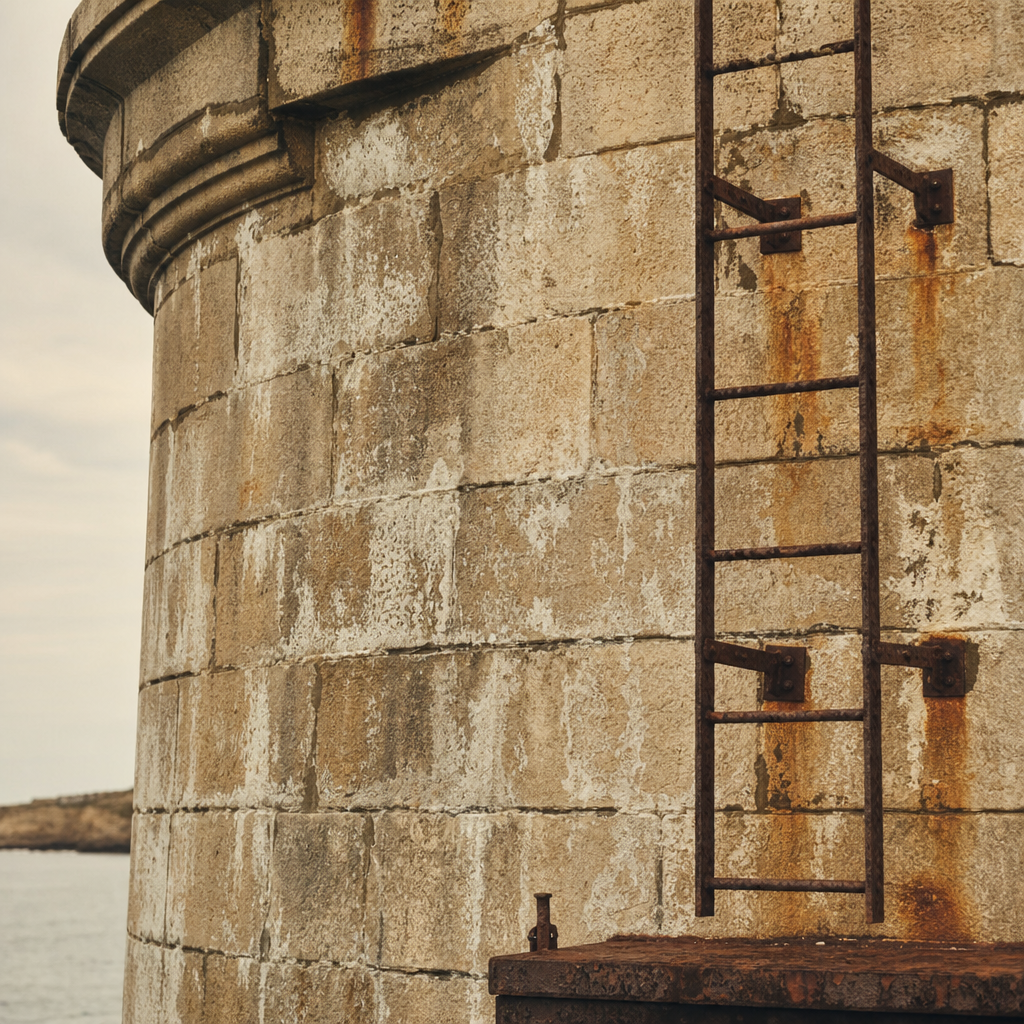
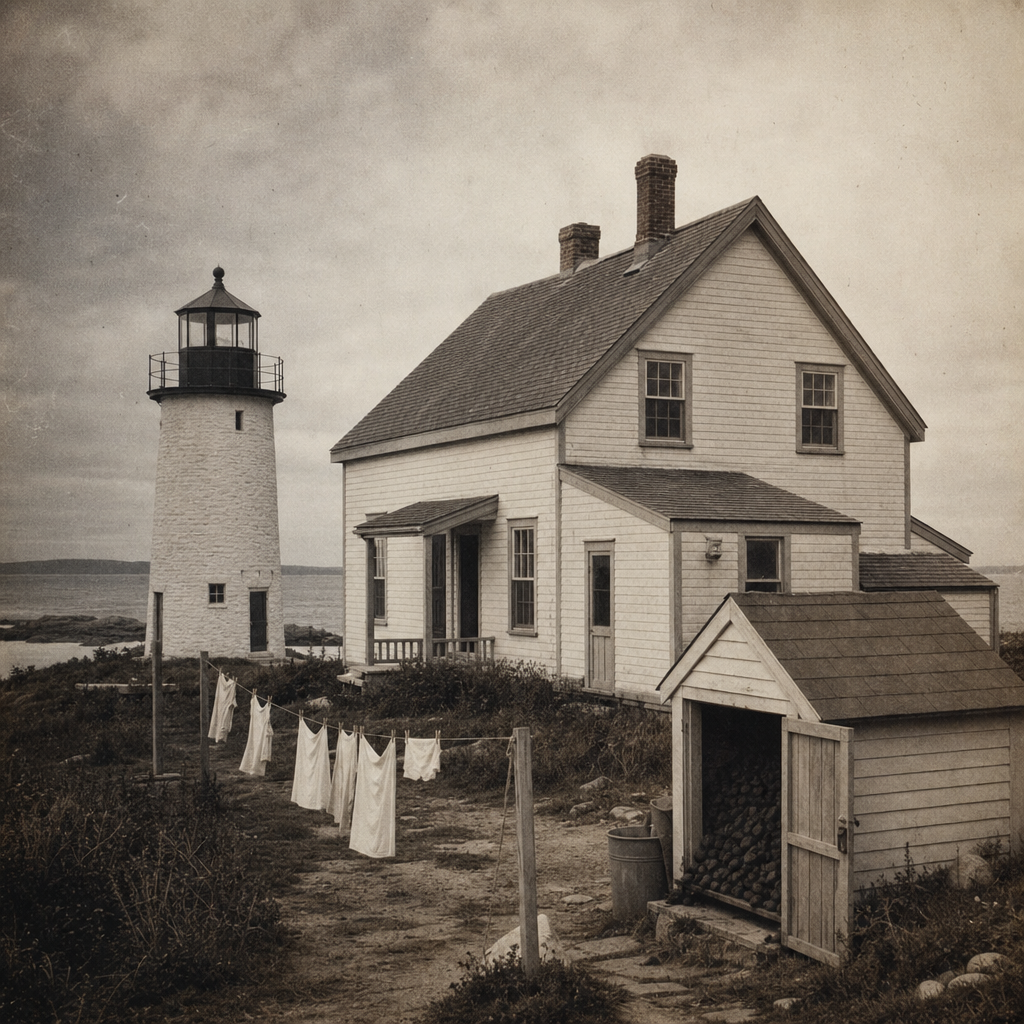
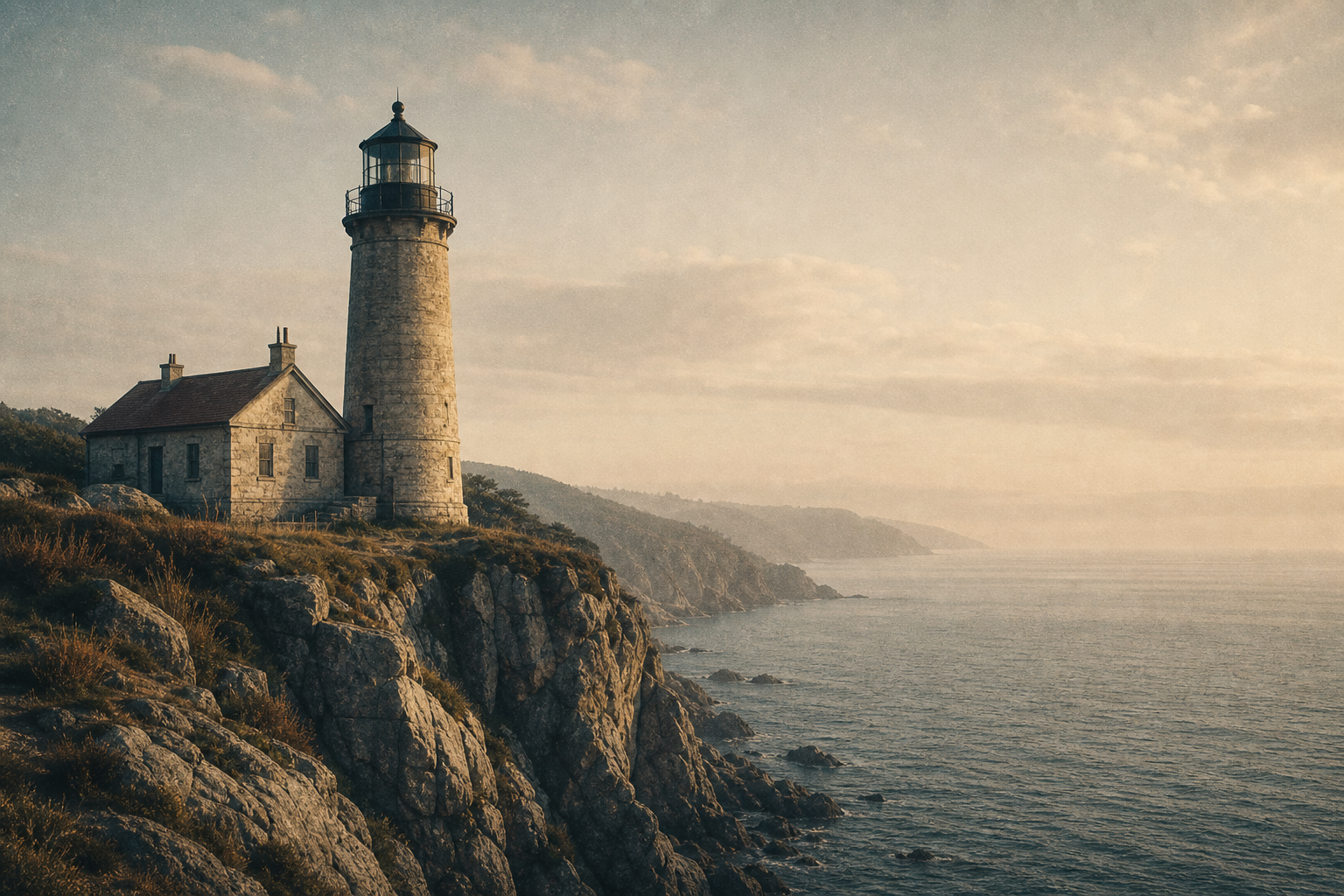
Across the northern coast, lighthouse towers became a working language between sea, cliff, and crews moving through uncertain water.
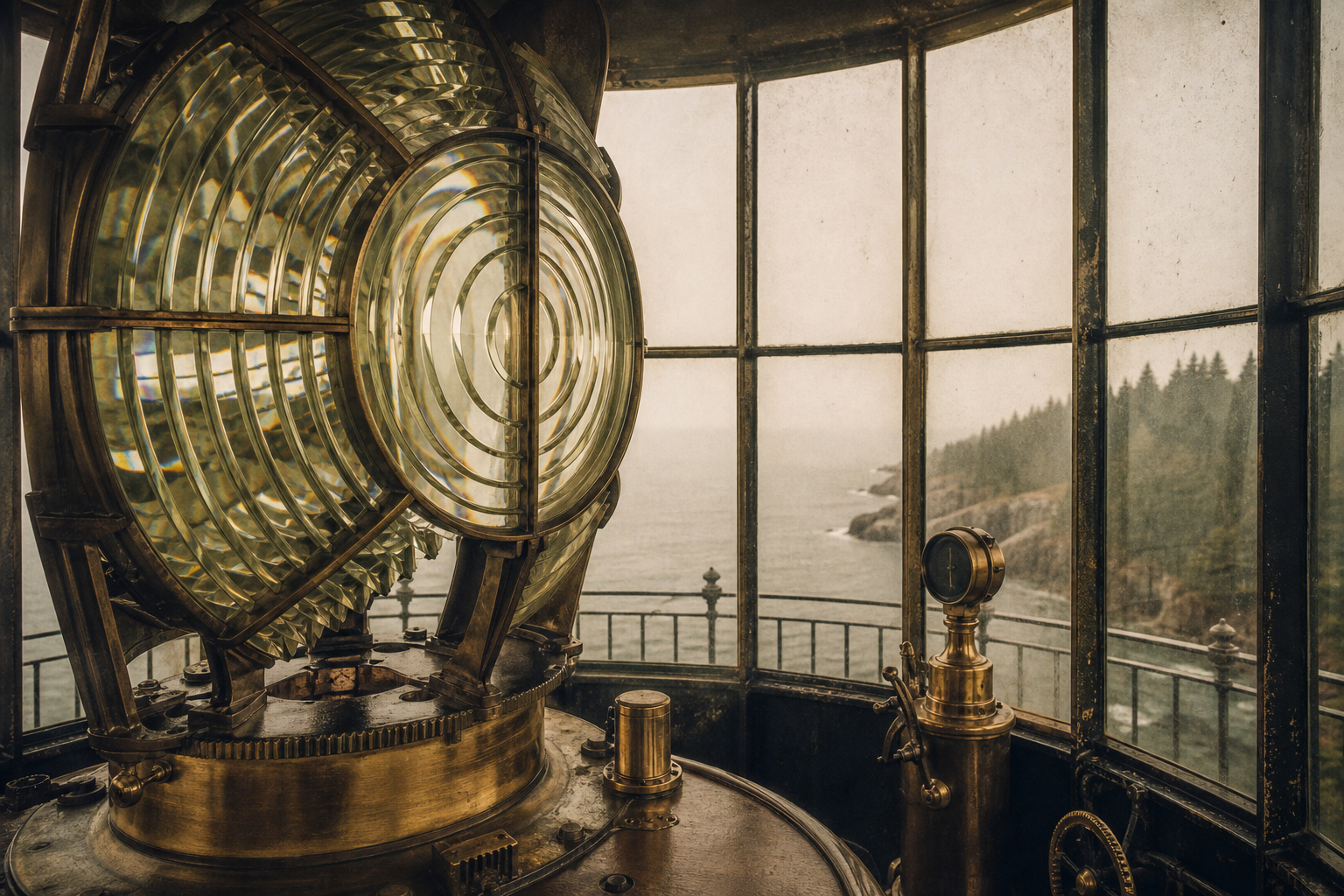
Before modern navigation systems, these beacons stitched together a practical route for timber boats, fishing fleets, and cargo steamers. Their rhythmic flashes identified dangerous headlands, marked harbor approaches, and offered captains a dependable point of reference when fog erased the horizon.
Each station also shaped life on land. Keepers and their families followed strict daily routines of lamp care, weather logging, and signal checks, while nearby villages organized labor, supply runs, and winter watch around the towers that guarded both trade and memory.